Events October 2026
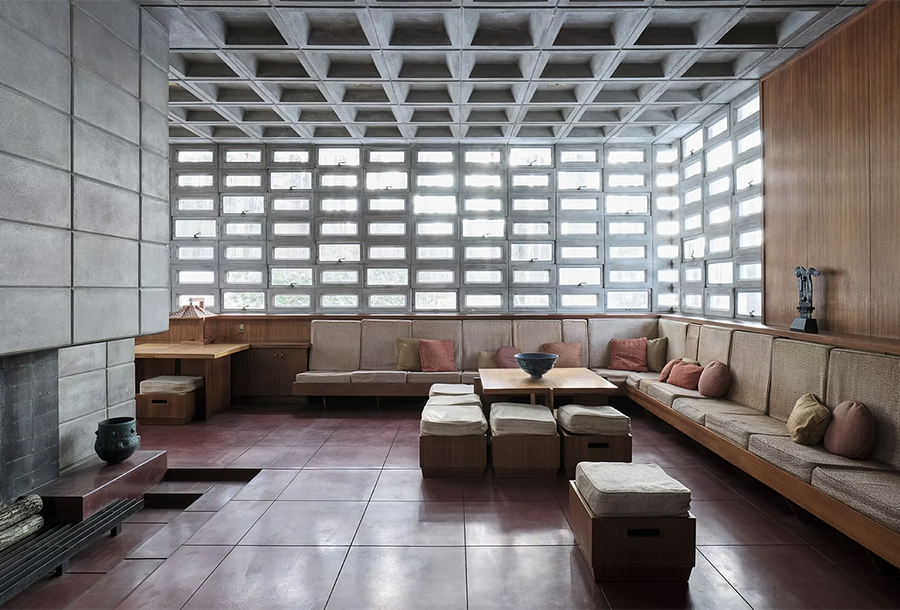
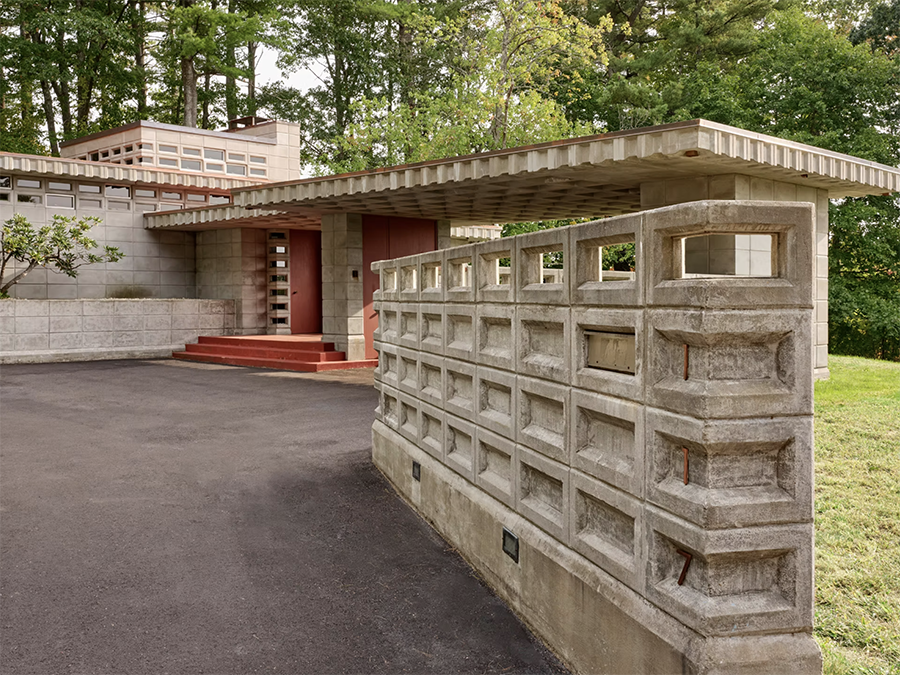
Now Open: How to Build a Usonian Automatic
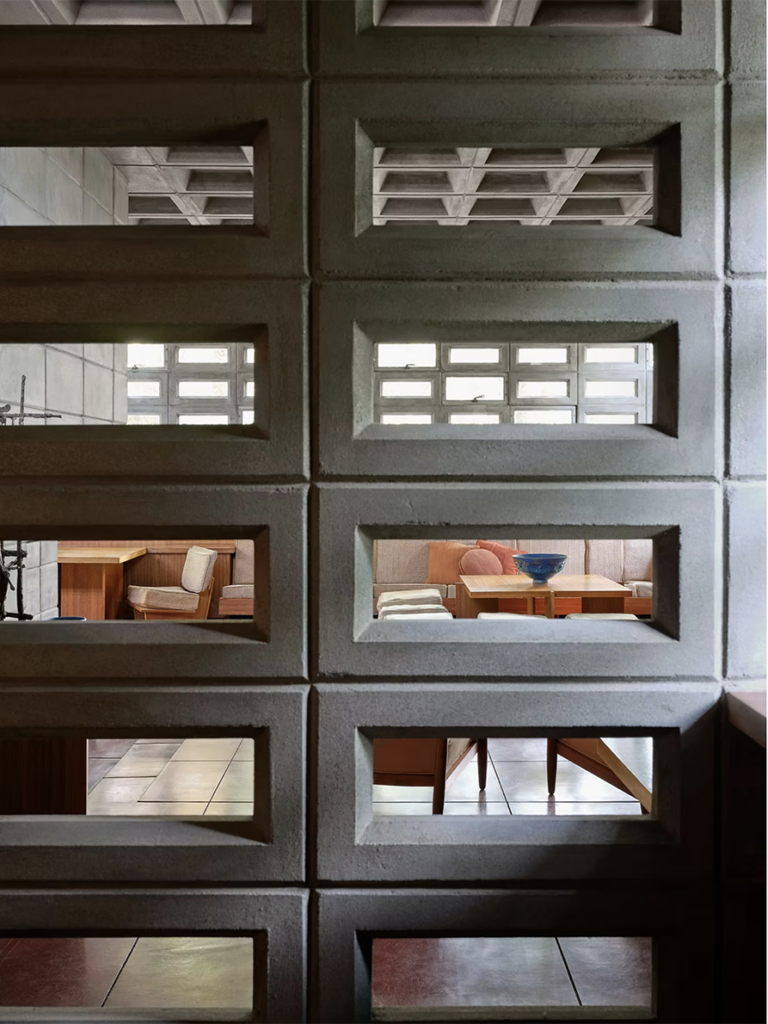
The Currier Museum of Art’s new installation, How to Build a Usonian Automatic, explores Frank Lloyd Wright’s postwar experiment in creating a more efficient and affordable model for American housing. Wright envisioned a modular system of standardized concrete blocks that homeowners could, at least in theory, use to construct houses from his designs. Known as Usonian Automatics, only seven of these houses were ever built; the Currier’s Kalil House in Manchester, NH, is the only example currently open to the public.
The exhibition brings Wright’s ideas and the story of the Kalil House to life through archival materials, rare architectural drawings, family construction photographs, and 3-D modeling. Beyond documenting a distinctive chapter in Wright’s career, the installation considers how his experiments with modular construction, affordability, and adaptable housing continue to resonate with conversations about how we build and live today.
You can see the house and exhibition by booking a 2-hour tour that includes both Wright’s Kalil House and Zimmerman House. After an introduction and close looking together, visitors go on a self-guided exploration inside the houses with guides present to answer questions. A handout has been created to enhance discovery of the interior spaces. The tour of each house concludes with interactive outdoor viewing and time for questions with Currier Museum guides.
Open for tours, booked in advance
Currier Museum of Art
150 Ash Street
Manchester, NH
Details and tickets