News September 2026

UNESCO Inscribes Aalto works, modern architecture in Uzbekistan and more to World Heritage List
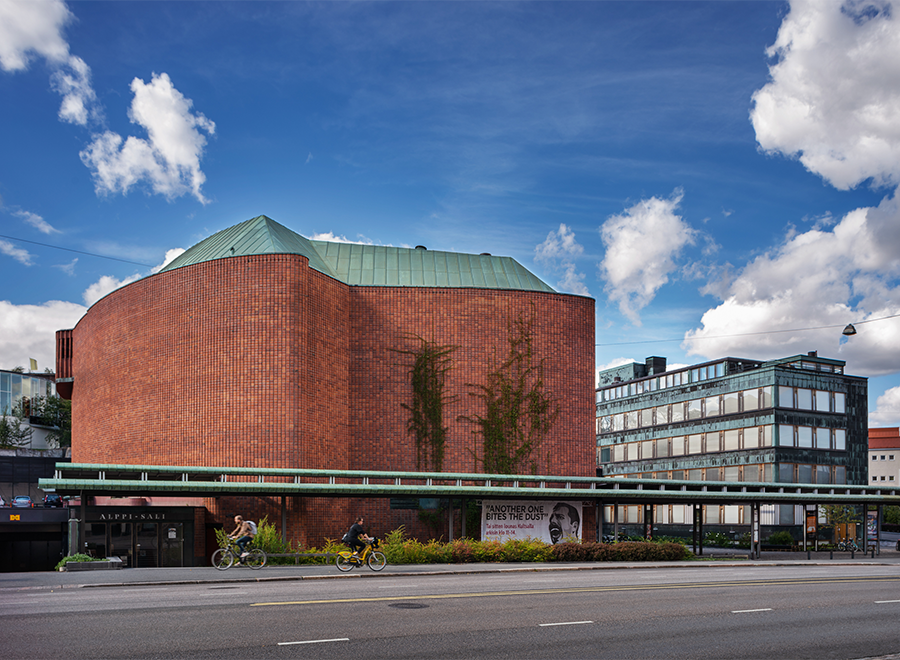
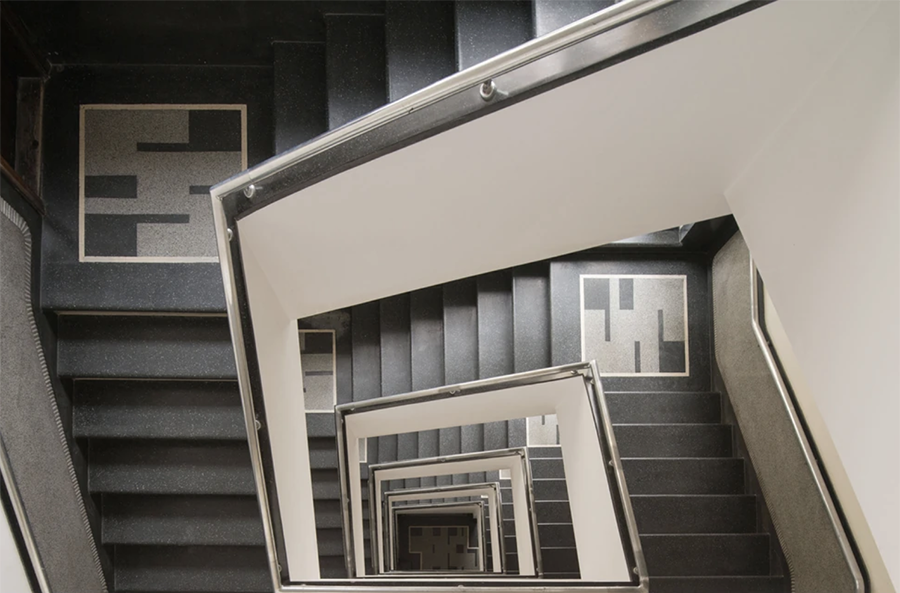
UNESCO added several major collections of modern architecture to the World Heritage List during the 48th session of the World Heritage Committee in Busan, South Korea, giving international recognition to 20th century design in Finland, Uzbekistan, and Germany. Among the most significant additions is “Aalto Works,” a collection of 13 buildings and architectural ensembles in Finland designed by Alvar, Aino, and Elissa Aalto between 1928 and 1988. The sites include Paimio Sanatorium, Villa Mairea, Finlandia Hall, the Aalto House and Studio Aalto, Säynätsalo Town Hall, the Sunila residential area, and other civic, cultural, educational, religious, and residential projects. UNESCO recognized the collection for its influential human centered approach to modernism, which combined functional design with natural materials, sensitivity to landscape, and architecture intended to support everyday life and the development of Finland’s welfare society. The “Aalto Works” designation is Finland’s eighth World Heritage property.
UNESCO also inscribed “Tashkent Modernist Architecture: Modernity and Tradition in Central Asia,” a group of 10 buildings and urban complexes constructed from the 1960s through the early 1990s in Uzbekistan. Much of this architecture emerged during the rebuilding of Tashkent following the devastating 1966 earthquake. The collection includes the Zhemchug residential building, State Museum of History, Central Exhibition Hall, Kosmonavtlar Metro Station, Big Solar Furnace, Peoples’ Friendship Palace, State Museum of Arts, State Circus, Chorsu Market, and Alisher Navoi Cinema Palace. Nine of the 10 sites are positioned along new urban axes developed as Tashkent was transformed into a modern Soviet city. UNESCO highlighted the buildings for adapting modernist planning and industrialized construction to local traditions, materials, climate, and seismic conditions, making the collection an important example of a distinctly Central Asian form of late Soviet modernism.
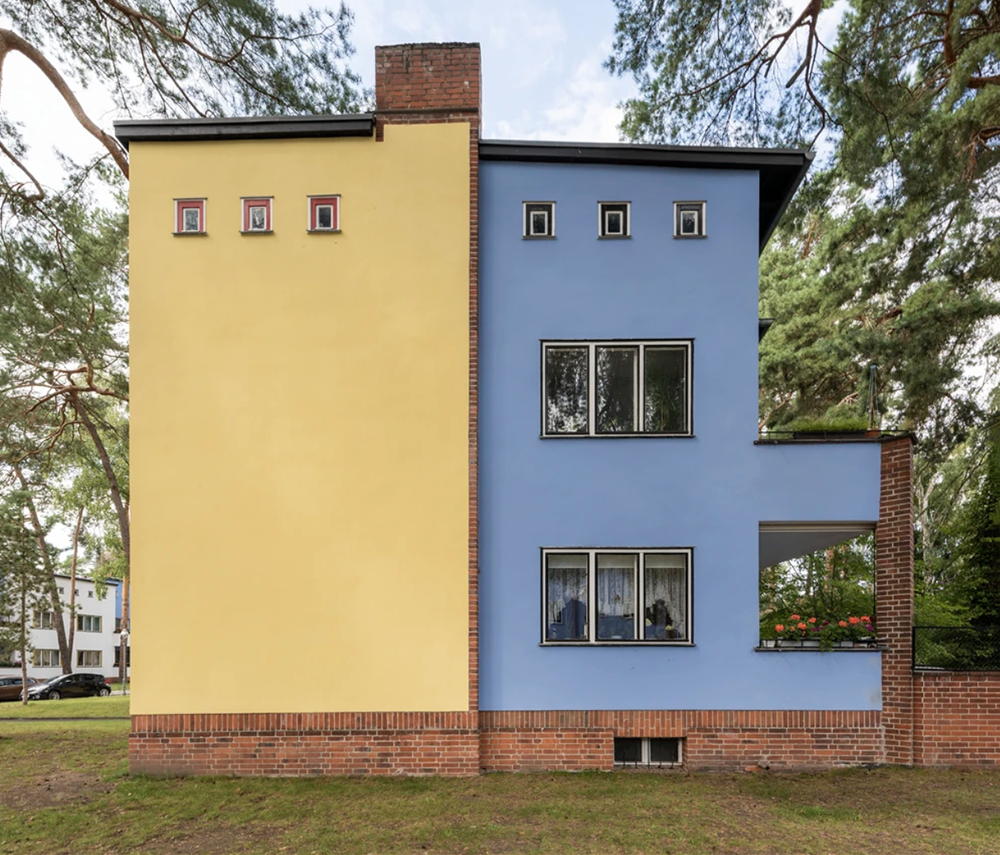
In Germany, UNESCO expanded the existing “Berlin Modernism Housing Estates” World Heritage Site to include Waldsiedlung Zehlendorf, commonly known as the “Parrot Estate” for its colorful facades. Designed primarily by Bruno Taut, with contributions from Hugo Häring and Otto Rudolf Salvisberg, the development was built between 1926 and 1932 and contains nearly 2,000 housing units. Its design advanced early modernist ideas about affordable, healthy housing by providing residents with access to light, air, greenery, and thoughtfully planned community spaces. Together, the new designations demonstrate growing international recognition of modern architecture not simply for its visual innovation, but for the ways architects and planners used design to respond to housing, public health, social welfare, urban reconstruction, climate, and changing patterns of everyday life.
And finally, recognizing modernism in Poland, “Gdynia Modernist City Centre” was inscribed. Located on the Baltic Sea coast, “Gdynia Modernist City Centre” encompasses the two most significant east-west and north-south streets, featuring interwar planning blocks and the majority of the city centre’s preserved buildings from that period, which reflect the large-scale application of modernist ideas in architectural design. The result is an urban organism that harnesses a building-block-based planning approach to develop a characteristic, compact complex of modernist architecture, with robust individual architectural expressions. The city centre, with its buildings, villas on Kamienna Góra hill, and other residential buildings of this period, illustrates a critical break with historicism in the progression of turning the village of Gdynia into a new major sea gateway of the first Polish Republic between the First and Second World Wars.
“UNESCO Expands World Heritage List with Modern Housing, Design and Global Landmarks,” Docomomo International
“UNESCO adds Aalto projects in Finland, modernist architecture in Uzbekistan, and other historic buildings to its World Heritage List,” July, 27, 2026, The Architect’s Newspaper
Peruse the full list of 25 new properties inscribed to the World Heritage List in 2026.